

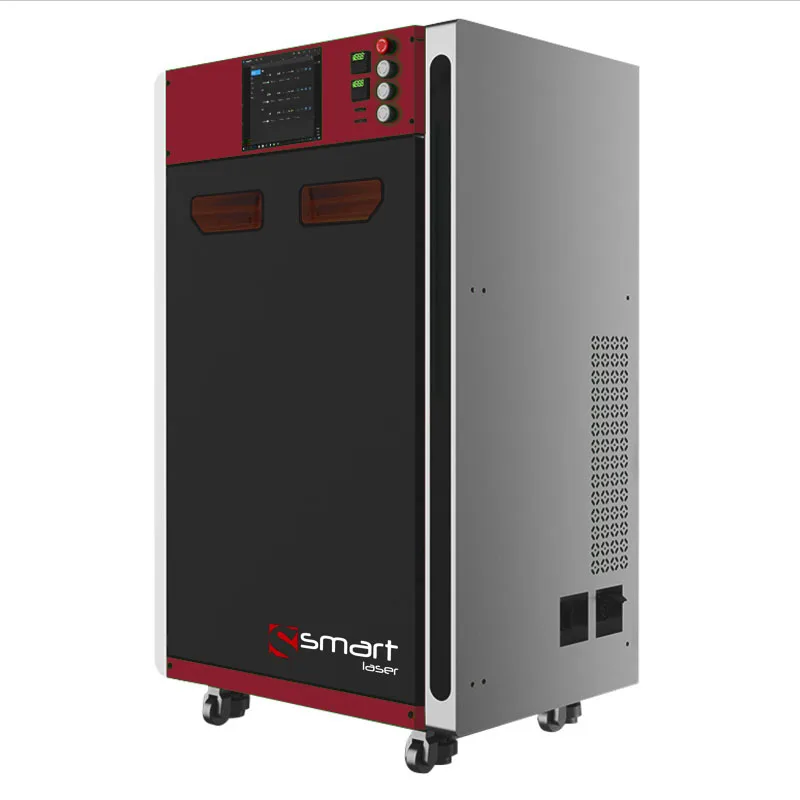


SLS-2030 3D printer – a fast system for producing prototypes and small batches
Smart Laser SLS-2030 is an industrial 3D printer using SLS – Selective Laser Sintering technology. The machine makes it possible to produce strong, functional and geometrically complex parts directly from polymer powders such as PA11, PA12 and glass fibre reinforced nylon.
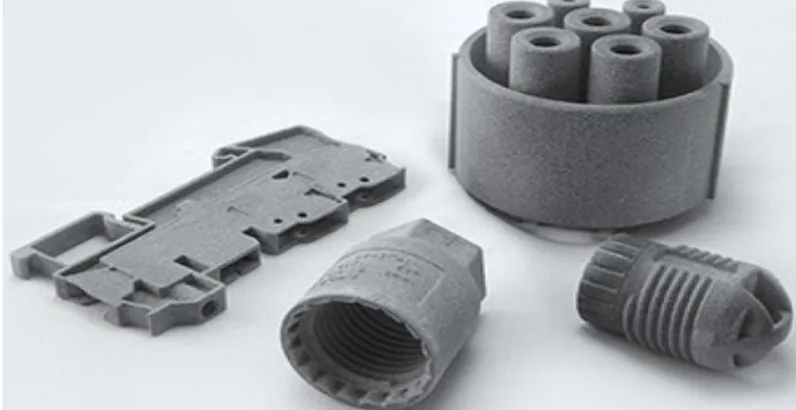
SLS technology offers much greater design freedom than many traditional 3D printing methods. During the process, the unsintered powder surrounding the part acts as a natural support, so there is no need to print additional support structures. This makes it possible to produce complex geometries, internal channels, snap-fits, interlocking parts and many parts at once in a single build chamber.
Description
Features
- Working area: 200 × 200 × 300 mm – suitable for prototypes, technical parts and short production runs.
- Laser type: Fiber 50 W – single laser head designed for a precise manufacturing process.
- Laser head: High-precision digital galvo head – fast and accurate laser beam guidance.
- Scanning speed: 8–15 m/s – allows successive layers to be produced quickly.
- Chamber temperature: up to 190°C – stable conditions when processing thermoplastic materials.
- Layer thickness: 0.1–0.3 mm – parameters can be matched to the requirements of the part.
- Materials: Supports PA11, PA12 and glass fibre nylon.
- Shielding gas: Nitrogen
- Control system: STL file support.
- Visualisation: 3D and diagnostic functions.
- Files: STL file support.
- Control system: Based on 64-bit Windows 10.
Advantages
- Fast production of prototypes and small batches
- The precise galvo head enables scanning at speeds of up to 15 m/s, which shortens layer times and increases the efficiency of the entire process.
- The technology allows parts to be produced without additional support structures.
- Wide choice of technical materials such as PA11, PA12 and nylon
- Lower material consumption
- Lower nitrogen and energy consumption
- The software allows real-time parameter modification, 3D visualisation and machine diagnostics.
How does SLS 3D printing work?
The process begins with a thin layer of powder being spread evenly on the build platform. A laser beam controlled by a digital galvo head then selectively sinters the material according to the next cross-section of the 3D model.
Once a layer is complete, the platform lowers, another layer of powder is applied and the process is repeated until the complete part is obtained. After printing, the chamber is gradually cooled and the finished parts are cleaned of unsintered powder.
Unlike FDM technology, no filament is used here, and unlike SLA technology, no liquid resin is used. The working material is polymer powder selectively sintered by the laser.

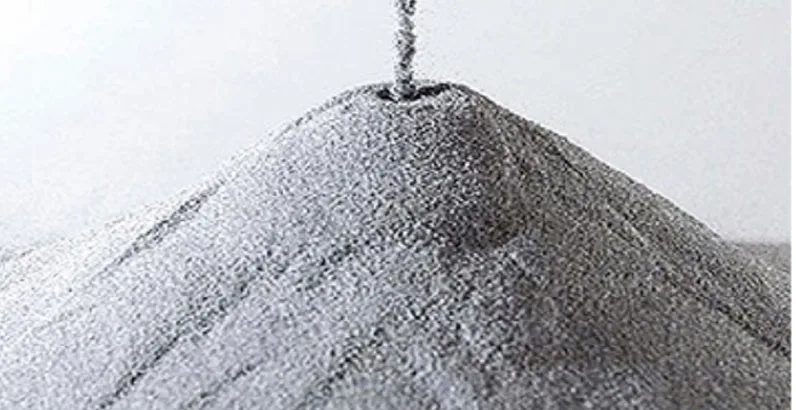
Printing materials
The Smart Laser SLS-2030 has been designed primarily to work with technical polymer materials:
PA12 – a versatile material for functional prototypes, housings, holders, tooling and finished end-use parts.
PA11 – a material chosen particularly where greater flexibility and resistance to dynamic loads are required.
Glass fibre reinforced nylon – intended for parts requiring greater stiffness and dimensional stability.
These materials allow the printer to be used not only for visualising concepts, but above all for producing real technical and production parts.
Where is the SLS-2030 printer used?
SLS technology is used wherever durable, functional and geometrically complex parts are needed.
Automotive – functional prototypes, housings, fittings, holders, jigs and production tooling.
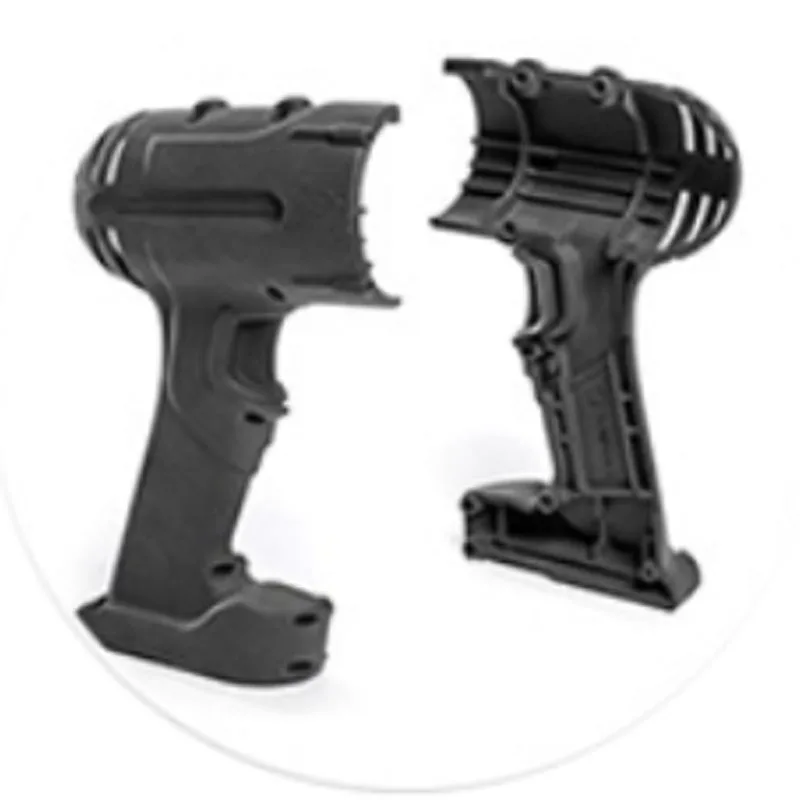
Industry and production – machine parts, grippers, assembly jigs, holders, templates and short production runs.
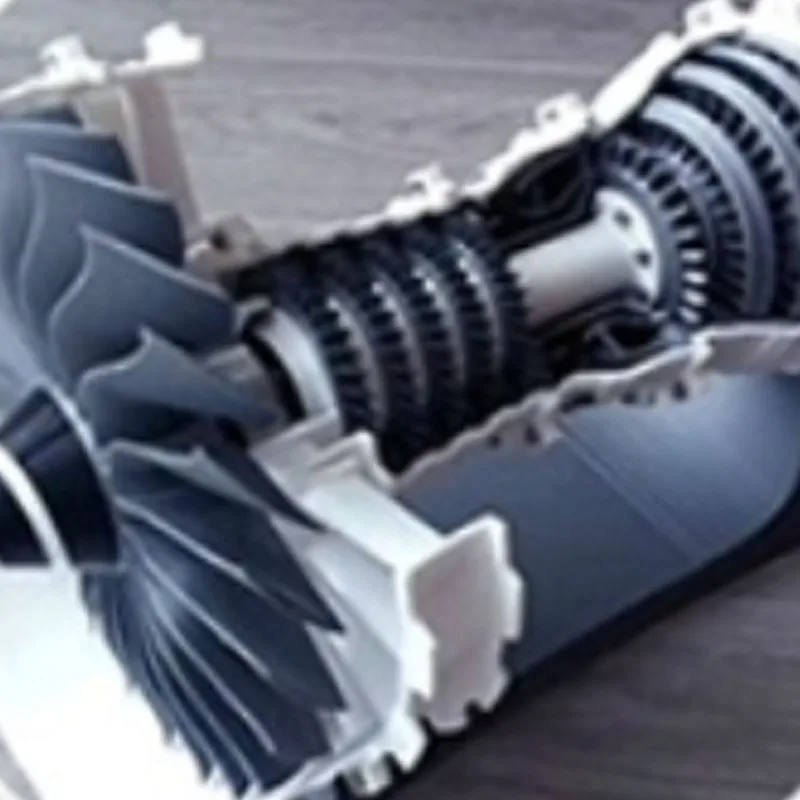
Aviation and aerospace – lightweight parts, ducts, brackets, housings and specialised tooling.
Medical industry – device prototypes, models, custom parts and applications requiring complex geometry.
Industrial design and R&D – a fast transition from CAD design to a physical, functional prototype.
Consumer products and electronics – housings, fittings, accessories and short product runs.
Footwear industry – models, mould parts and components with complex geometry.
Technical specification
| Laser technology | Fiber |
| Laser Laser power | 50 W |
| Number of heads | 1 |
| Working area | 200 × 200 × 300 mm |
| Machine dimensions | 1130 × 830 × 1680 mm |
| Machine weight | 400 kg |
| Scanning head | precision digital galvo head |
| Scanning speed | 8–15 m/s |
| Maximum chamber temperature | 190°C |
| Layer thickness | 0.1–0.3 mm |
| Materials | PA11, PA12, glass fibre nylon |
| Shielding gas | nitrogen |
| Support structures | not required |
| Temperature control | independent control algorithm |
| Ambient temperature | 18–30°C |
| File format | STL |
| Operating system | Windows 10 64-bit |
| Software | open, real-time parameter changes, 3D visualisation, diagnostics |
| Power supply | 220 V / 50 Hz, single-phase |

Ask about product
What our clients say
5 (231)Profesjonalna i kompleksowa obsługa klienta na najwyższym poziomie.
Pan Sebastian przyjechał do nas na prezentację w ciągu 2 dni na drugi koniec Polski.
Wszystko szczegółowo wyjaśnił.
Po zakupie urzadzenia, dostarczył je osobiście, uruchomil i przeszkolił nasz zespół szybko i sprawnie.
Zakupiona spawarka laserowa 4w1 od Smart Laser w porównaniu z tą na której pracowaliśmy wcześniej pomimo teoretycznie takich samych parametrów technicznych wyraźnie dysponuje większą mocą. Jest prosta w obsłudze i posiada menu w języku polskim.
Nie mogliśmy lepiej wybrać
Jubiler Romankiewicz z Włocławka
Sprzęt działa bez zarzutu, jest solidnie wykonany, precyzyjny i sprawdza się…
Firma Jubilerska Michalczak Zbąszyń