

XRF Spectrometer for Metal Analysis
XRF spectrometer shows alloy composition in seconds – without scratching, acid or destroying the sample. We offer spectrometers for analysing gold, silver, platinum and palladium for jewellers, pawn shops, scrap dealers and exchange offices, as well as models analysing up to 82 elements for laboratories and industry. Benchtop and handheld versions, prices from 7 938 € excl. VAT.
Spectrometer View all (8) →


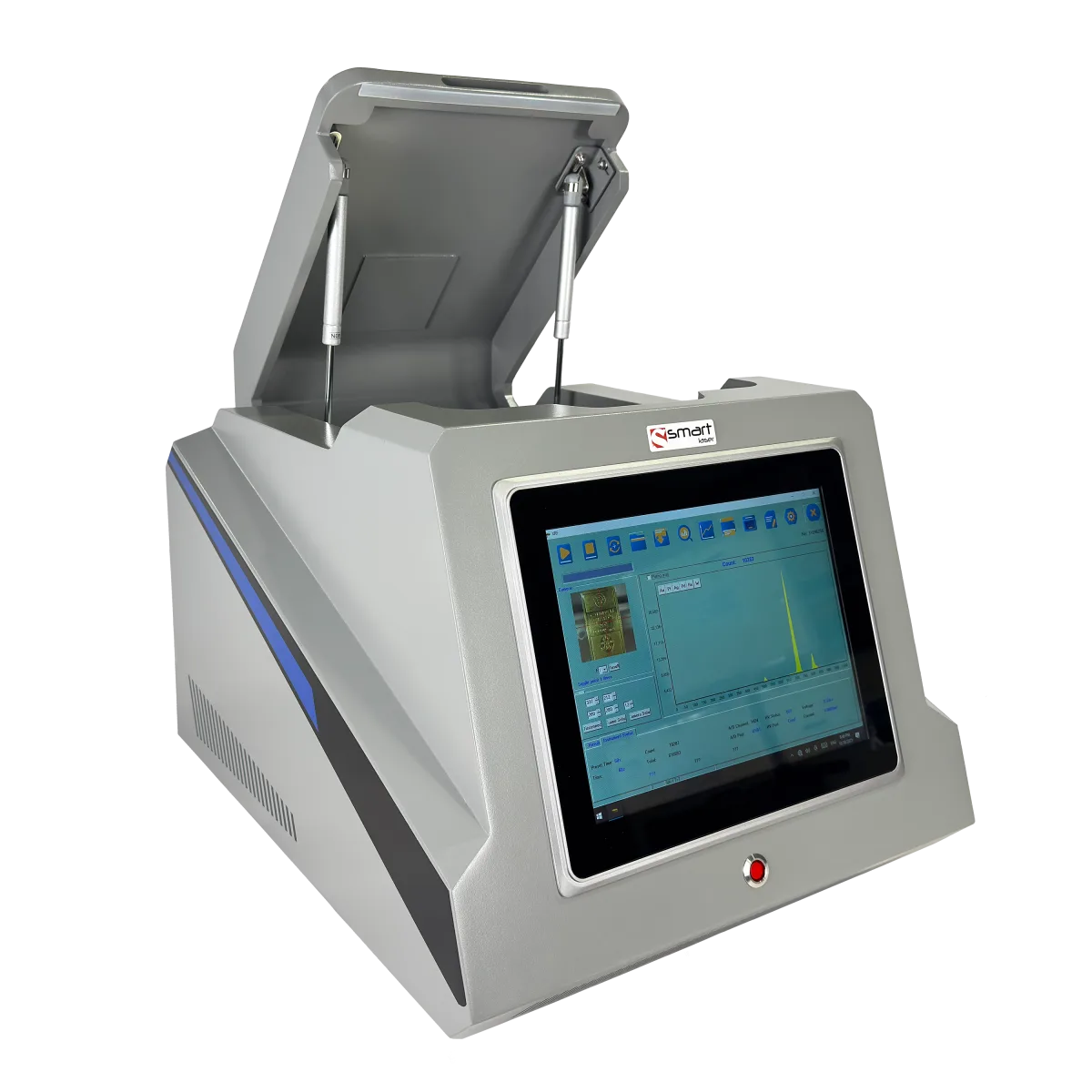


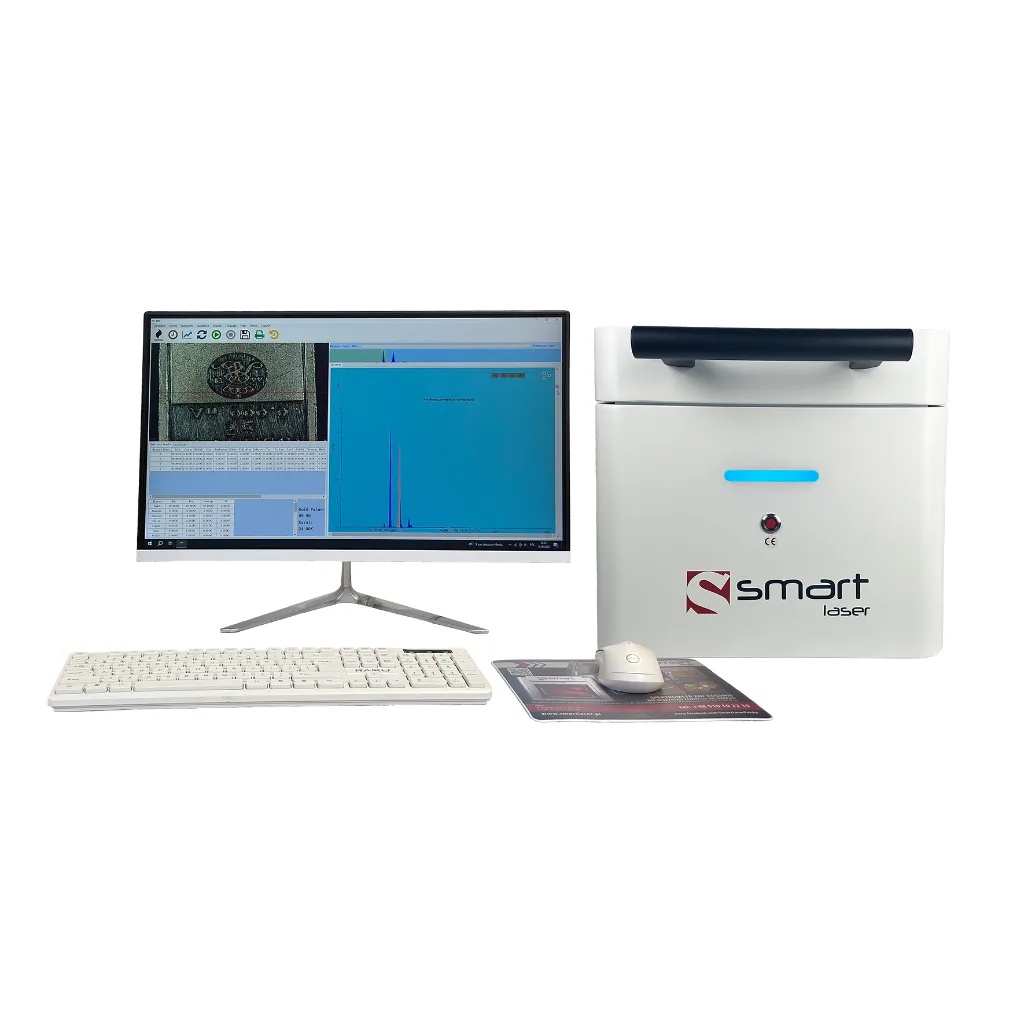


How does an XRF spectrometer work?
The spectrometer uses X-ray fluorescence (XRF). X-ray radiation excites atoms in the sample, and each element responds with characteristic energy. The detector reads this spectrum and the instrument calculates the percentage content of elements. Measurement is non-contact and does not destroy jewellery, coins or ingots.
Which spectrometer to choose?
Spectrometer for gold and precious metals
For a jeweller, pawn shop or gold scrap dealer, the most important elements are Au, Ag, Pt, Pd and Cu. Economical models analysing a few elements are perfectly adequate to confirm gold fineness and assess purchased jewellery.
Spectrometer for full alloy analysis
Models with SDD detector analyse 82 elements – from sodium (Na) to uranium (U), ranging from ppm to 99.99%. This is the choice for laboratories, refineries, foundries and companies that need to detect impurities and contaminants, not just gold content.
Benchtop or handheld?
- Benchtop – measurement chamber accommodates jewellery, coins and ingots, with shielding for safe operation at the counter. Best for daily work at a point of sale.
- Handheld – weighs approximately 1.6 kg with battery, so you can take it to a client, trade fair or warehouse.
What to look for when purchasing?
- Detector type – SDD detector provides better resolution and more accurate results for multi-element alloys; proportional counter is proven, more affordable technology for typical gold measurements.
- Accuracy – depending on model, from 0.1% to 0.01% for high-fineness gold.
- Measurement time – from several to tens of seconds; longer measurement time gives more accurate results.
- Sample form – some models also analyse powders and liquids.
Spectrometers in practice
Our spectrometers are in use with customers across Europe. We assist with model selection, setup and operation – contact us and we will choose the right instrument for your business.
Frequently Asked Questions
How much does an XRF spectrometer for gold cost?
XRF spectrometers in our offer cost from 7 938 € excl. VAT. Price depends on the number of analysed elements, detector type, accuracy and design (benchtop or handheld).
Does the spectrometer destroy the sample being tested?
No. XRF measurement is non-contact and non-destructive – jewellery, coins and ingots remain unchanged after testing.
How accurate is gold measurement with a spectrometer?
Depending on the model, accuracy ranges from 0.1% to 0.01% for high-fineness gold. Measurement takes from several to tens of seconds.
Which elements does the spectrometer detect?
Models for jewellers and scrap dealers analyse precious metals: gold, silver, platinum, palladium and copper. Laboratory models with SDD detector detect 82 elements from sodium to uranium.
Benchtop or handheld spectrometer?
Benchtop suits a point of sale – at a pawn shop, scrap dealer or workshop counter. Handheld, weighing approximately 1.6 kg, choose when you test goods at a client's location, in a warehouse or at a trade fair.